


In Tehran, high-level regional conference on disaster risk reduction focuses on regional cooperation
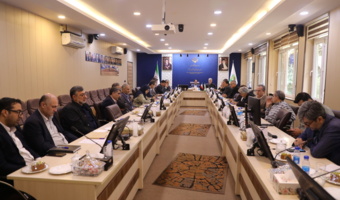
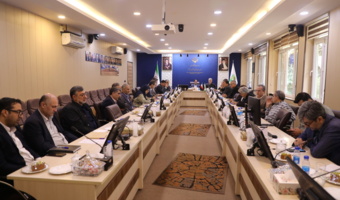
Opening the conference, the Under Secretary-General and Executive Secretary of United Nations Economic and Social Commission for Asia and the Pacific (UNESCAP), Dr. Shamshad Akhtar emphasized that disasters impede the social and economic development of nations and communities at a global scale. He also underlined the importance of finding sustainable solutions to address the SDS risks in the highly vulnerable Asia-Pacific region.
UNESCAP together with the Government of the Islamic Republic of Iran has established the Asian and the Pacific Centre for the Development of Disaster Information Management (APDIM) in Tehran with the focus on strengthening regional cooperation in DRR and promoting effective policies for inclusive, sustainable and resilient development in the region.
Dr. Akhtar emphasized that establishing APDIM and the regional conference in Tehran is just one example of support that countries receive to increase their resilience through targeted capacity development for disaster information management and knowledge sharing. The significant and increasing impacts of sand and dust storms affect a number of Sustainable Development Goals (SDGs) related to human health, productivity, agriculture, land, infrastructure and transport. Reducing the harmful impacts of sand and dust storms is essential to making progress on achieving the SDGs.
UNESCAP put forth a four track-strategy to create a regional cooperation mechanism for SDS mitigation and adaptation. The strategy proposes addressing the disaster drivers through a multiple-hazard approach, developing a sand and dust storms alert system. establishing an Asia-Pacific sand and dust storm network, and leveraging the APDIM for enhanced technical support.
Further information is available on UNESCAP website.

نظر شما :